Designing the Ideal Custom Produce Boxes: A Progressive Guide
Creating specialized fruit and vegetable boxes demands a calculated approach. Experts must consider environmental responsibility, functionality, and aesthetics. Selecting the appropriate materials is essential for maintaining quality and promoting environmentally conscious methods. Furthermore, dimensions and form can greatly impact usability and transport efficiency. Effective visual elements enhance brand identity, while comprehensive evaluation guarantees longevity. Understanding these elements will uncover important understandings into creating standout packaging solutions that connect with customers. What comes after is critical to reaching those goals.
Determining the Best Materials for Custom Produce Boxes
When selecting materials for custom produce boxes, it is vital to examine both functionality and environmental consideration. The selection of material substantially impacts the box's wear resistance, weight, and capacity to defend the contents. Common materials include corrugated cardboard, which renders strength and is recyclable, making it a popular choice for environmentally conscious businesses. Biodegradable options, such as molded pulp or plant-based plastics, also correspond with eco-conscious practices while providing ample protection for delicate produce.
Moreover, dampness protection is necessary for keeping quality consistent, driving some vendors to investigate treated materials or specialized coatings. The visual charm of the box deserves consideration, since branding and visual presentation can shape buyer perspective. Ultimately, the best option should balance between protecting the produce, engaging consumers, and adhering to environmental standards, ensuring both functionality and sustainability are prioritized within the development procedure.
How to Select Size and Shape for Performance?
When choosing the size and shape of custom produce boxes, careful assessment of produce measurements is essential for effective storage. Additionally, attention to movement and transportation can affect the box design, guaranteeing ease of movement. Maximizing shelf space usage further enhances functionality, allowing for efficient display and storage.
Review Produce Dimensions With Care
Selecting the right size and shape for produce boxes is essential for operational performance and effectiveness. Accurate assessment of produce dimensions is critical, as it guarantees that items fit snugly without unnecessary room that could lead to damage during shipping and storage. Tailored containers need to accommodate various shapes, from delicate berries to bulky vegetables, while maintaining physical strength. Additionally, the dimensions of the boxes should facilitate proper arrangement and storage, maximizing space in storage areas. A well-designed box not only protects the produce but also improves aesthetic presentation for consumers. Ultimately, thoughtful evaluation of dimensions helps achieve reducing waste and improving overall user experience in the supply chain.
Consider Handling and Transport Considerations
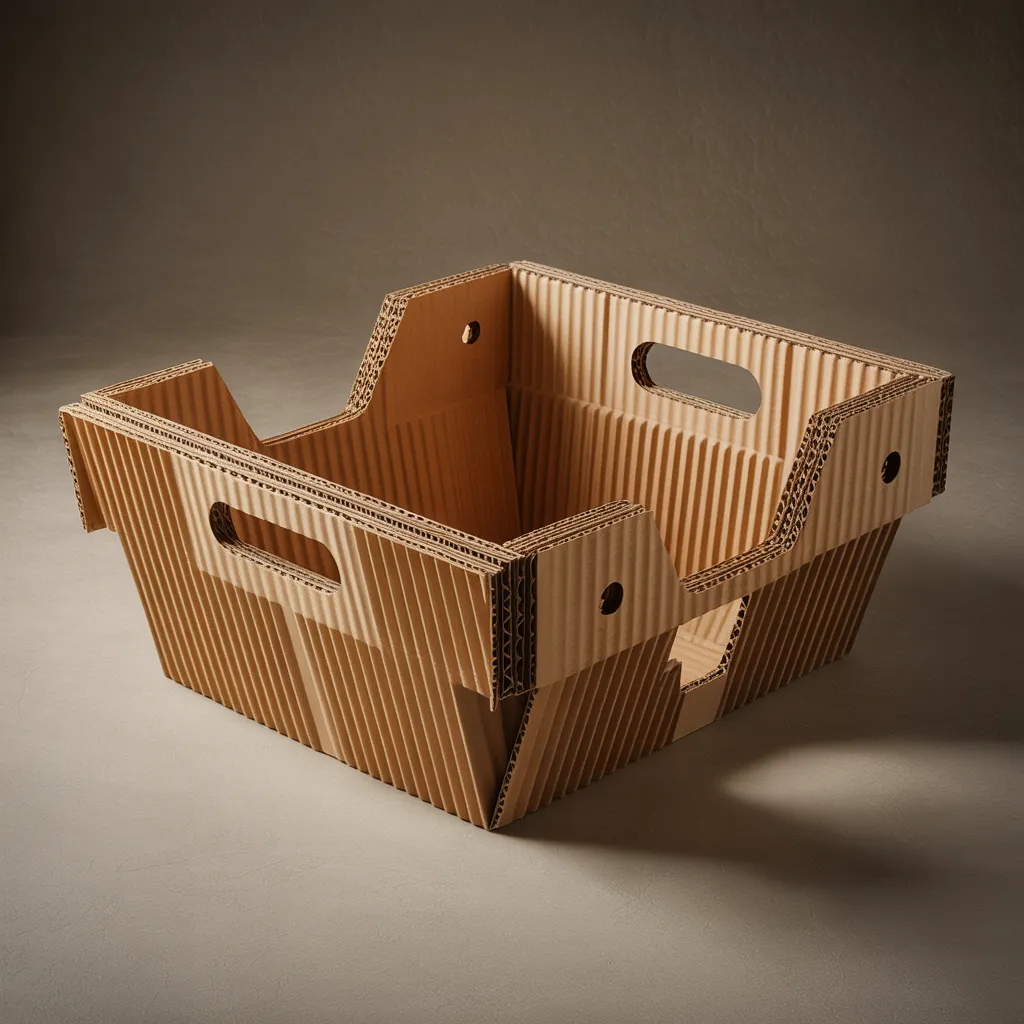
Shipping and handling considerations play a significant role in determining the proper dimensions and shape of specialized produce boxes. The dimensions must accommodate the goods without surplus room, which could lead to shifting and damage during transit. Compact boxes assist with simpler handling, while larger boxes may be needed for larger products. Additionally, ergonomic design is vital; grips or access points should be deliberately placed to permit comfortable lifting and transporting. The shape of the box also affects stacking and balance, ensuring that items stay safe. In the end, thorough evaluation of these aspects enhances the efficiency of transport, cuts down goods loss, and upholds the overall integrity of the fresh items from farm until consumer.
Enhance Product Space Allocation
Effective shelf space usage copyrights upon establishing the fitting form and dimensions of purpose-built storage containers. Specialists should take into account the layout specifications of the storage shelves as well as the types of vegetation being positioned. Rectangular boxes often strengthen space efficiency, allowing for smoother arrangement and stacking. Alternatively speaking, nonstandard shapes can amplify aesthetic quality but may result in unutilized gaps if not thoroughly considered.
It's necessary to analyze the stock circulation rate; briskly-selling products might profit from compact, easily reachable containers. Likewise, adopting adjustable or flexible frameworks can enable varying dimensions of produce while improving shelf organization. By highlighting functionality and aesthetic considerations, firms can build a functional and visually compelling presentation that elevates both product access and market presence.
How to Produce Images That Seize Attention?
Impactful graphics can transform a modest custom produce box into a remarkable display that attracts attention. To accomplish this, creative professionals should start by selecting a color palette that mirrors the freshness and vibrancy of the produce. Bright, eye-catching colors can stir emotions of freshness and fitness, compelling consumers to take a closer look.
Strong typography is also essential; clear and legible fonts can properly convey essential information while strengthening aesthetic charm. Moreover, leveraging high-quality images of the merchandise can build instant rapport, showcasing the item's superiority and motivating potential buyers.
Furthermore, incorporating unique patterns or illustrations can assist in setting apart the brand in a crowded market. Consistency in design elements, such as logos and taglines, reinforces brand identity. Ultimately, a combination of creativity and clarity in graphic design can greatly boost the impact of custom produce boxes, making them stand out on shelves.
Environmentally Responsible Practices for Custom Produce Box Containers
An growing number of organizations are introducing sustainable practices for custom produce box packaging, acknowledging its importance in today's green-minded market. These practices often involve the use of compostable materials, such as recycled paper and plant-based plastics, which lessen environmental impact. Companies are also focusing on sustainable sourcing, ensuring that materials are obtained from responsibly managed forests or suppliers who champion environmental stewardship.
Additionally, many brands are selecting minimalistic layouts that decrease waste while still successfully displaying their products. This strategy not only appeals to eco-conscious consumers but also helps in lowering production costs. Moreover, businesses are progressively adopting efficient manufacturing processes that in-depth article restrict energy consumption and waste generation. By incorporating these sustainable practices, companies not only improve their brand image but also contribute positively to the planet, matching their operations with a sustainable future.
Validate Your Made-to-Order Produce Box Design
Assessing the format of tailored packaging containers is a critical component in making sure they satisfy both aesthetic and useful requirements. This approach commonly requires reviewing factors including toughness, measurements, and usability. First, trial models should be made to assess the container's mechanical strength, confirming it can withstand transportation and storage without weakening the goods.
Subsequently, functional tests can be implemented to determine how conveniently the boxes can be opened, closed, and positioned. Input from future users can be invaluable in this stage, communicating understanding into the box's practical value.
Additionally, the visual impact of the design should be tested through surveys or focus group sessions, assessing consumer reactions to brand design elements, color palettes, and overall presentation.
Ultimately, extensive testing enables designers to improve the box, guaranteeing it not only attracts customers but also properly safeguards and presents the produce within, maintaining the right balance between form and function.
Promoting Your Tailored Produce Boxes Successfully
Impactful marketing of custom produce boxes requires a strategic approach that highlights their unique features and benefits. Businesses must focus on identifying their target audience, whether they are local farms, grocery stores, or individual consumers. Capitalizing on social media platforms can amplify brand awareness, presenting the boxes' appearance and functionality through engaging visuals and storytelling.
Additionally, teaming up with local influencers or farmers can enhance credibility and expand reach. Featuring incentives or cost savings during peak demand times can win over initial customers and encourage sustained patronage.
Furthermore, emphasizing sustainability and eco-friendliness in marketing materials can engage environmentally conscious consumers. Communicating detailed information about the materials used and the advantages of bespoke packaging designs can further set apart the brand in a competitive market.
In the end, a thorough marketing strategy that integrates online and neighborhood-level programs will efficiently advance custom produce boxes, engaging a diverse clientele and boosting sales.
Popular Inquiries Asked Often
What Are the Expenses Associated With Custom Produce Box Creation?
Fees part of custom produce box design consist of materials, print services, labor, and delivery costs. Moreover, design expertise and batch minimums can affect total expenses, leading to variable pricing based on individual requirements and manufacturing size.
What Period Is Needed to Produce Made-to-order Boxes?
Producing customized boxes usually demands two to six weeks. Determinants that shape this timeline include intricacy of design, materials sourcing, and manufacturing capacity, each of which can affect delivery schedules and lead times.
Is it Feasible to Order a Modest Quantity of Custom Produce Boxes?
Yes, modest amounts of custom produce boxes can generally be ordered. Many suppliers offer base order requirements, enabling companies or people to acquire tailored packaging solutions without having to pledge to large amounts at first.
What Are Typical Errors to Avoid in Custom Box Design?
Typical pitfalls in custom box development consist of neglecting functionality, disregarding brand consistency, undervaluing material quality, not taking into account target audience preferences, and overlooking environmental impact. Each aspect is indispensable for successful packaging and customer satisfaction.
What Precautions Should I Take to Confirm My Boxes Are Food-Safe?
To confirm boxes are suitable for food, one needs to opt for materials qualified for food contact, avoid toxic inks and adhesives, maintain cleanliness during production, and periodically assess for compliance with health regulations and safety standards.